Classical vs. modern Pilates – what’s really the difference?
One of the questions I get at Frog Pilates is:
“What is actually the difference between classical Pilates and modern Pilates?”
And that’s a really good question to ask.
Because Pilates has become a pretty broad term these days. Today you can find everything from high-intensity reformer training with upbeat music and a fitness focus to very gentle, therapeutic classes. All under the name Pilates.
But classical Pilates is actually a very specific method with a very rich history and philosophy behind it.
And for me personally, it was only when I found the classical approach that I really started to understand what Pilates can do for the body.
Not just aesthetically.
But functionally.
Mentally.
And in the long term.
The classical method is based on Joseph Pilates’ original system — a carefully developed movement flow created to strengthen the whole body through control, precision, breathing, and concentration.
It’s not about doing as many exercises as possible.
Or training to exhaustion.
It’s about the quality of movement.
About alignment.
Support.
Strength from within.
And about creating a body that works better in everyday life.
Many people are surprised when they start classical Pilates, because it often feels much more intense than it looks.
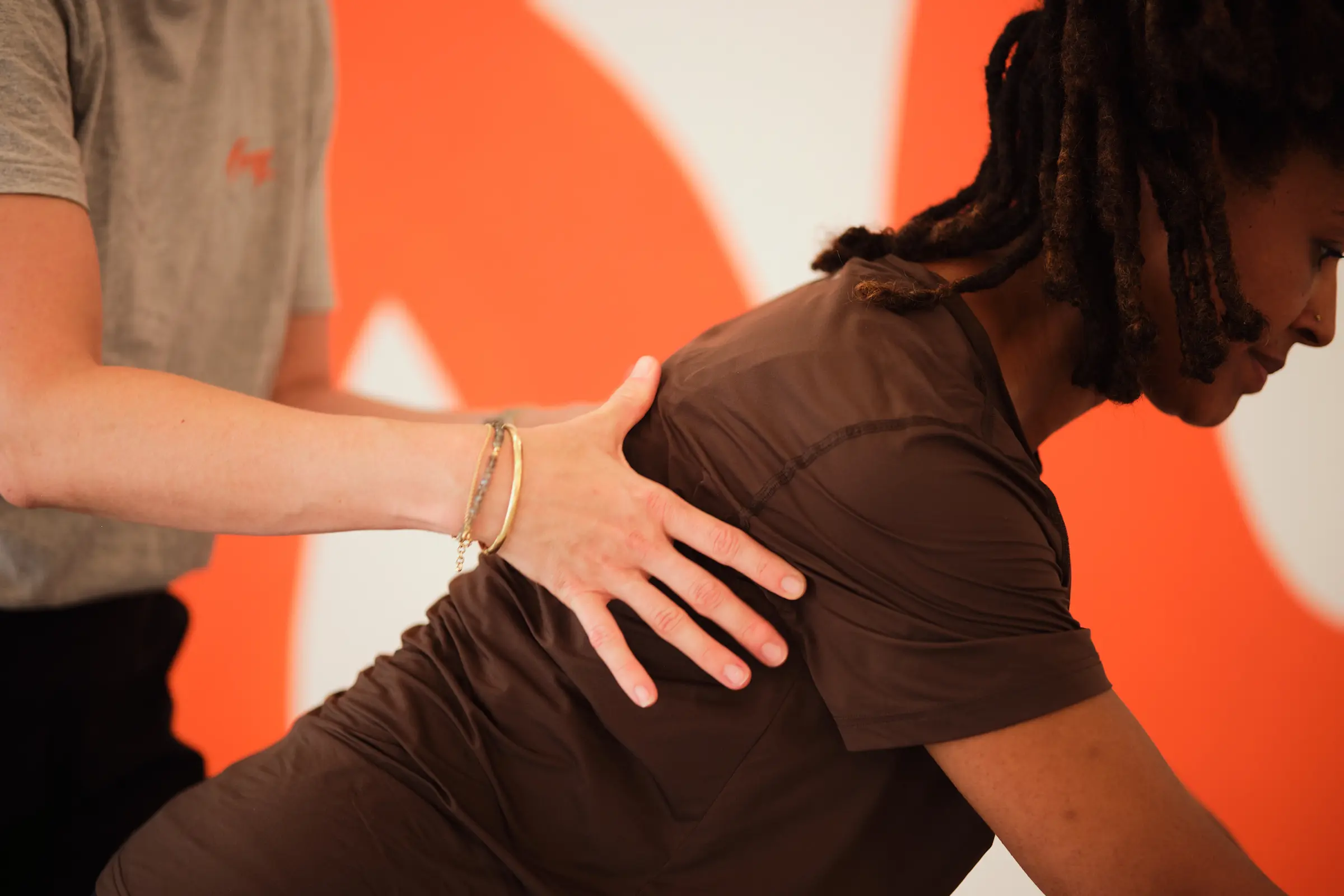
Small adjustments can change the whole experience of an exercise.
Suddenly you notice muscles you haven’t been able to feel in years.
You start standing differently.
Breathing differently.
Moving differently.
And maybe most importantly:
you start to have a different relationship with your own body.
In modern Pilates, you often see exercises mixed with elements from fitness, physiotherapy, or functional training. And that can absolutely be a fantastic way to train.
But the classical system has a very special intelligence in the way it is built.
The exercises are created to support one another. There is a rhythm and progression in the method that helps the body gradually become stronger, more stable, and more connected.
For me, classical Pilates is also not about perfection or about “performing” in a certain way.
Quite the opposite.
One of the most beautiful things about the method is that it meets people where they are.
I work with clients in many different life stages:
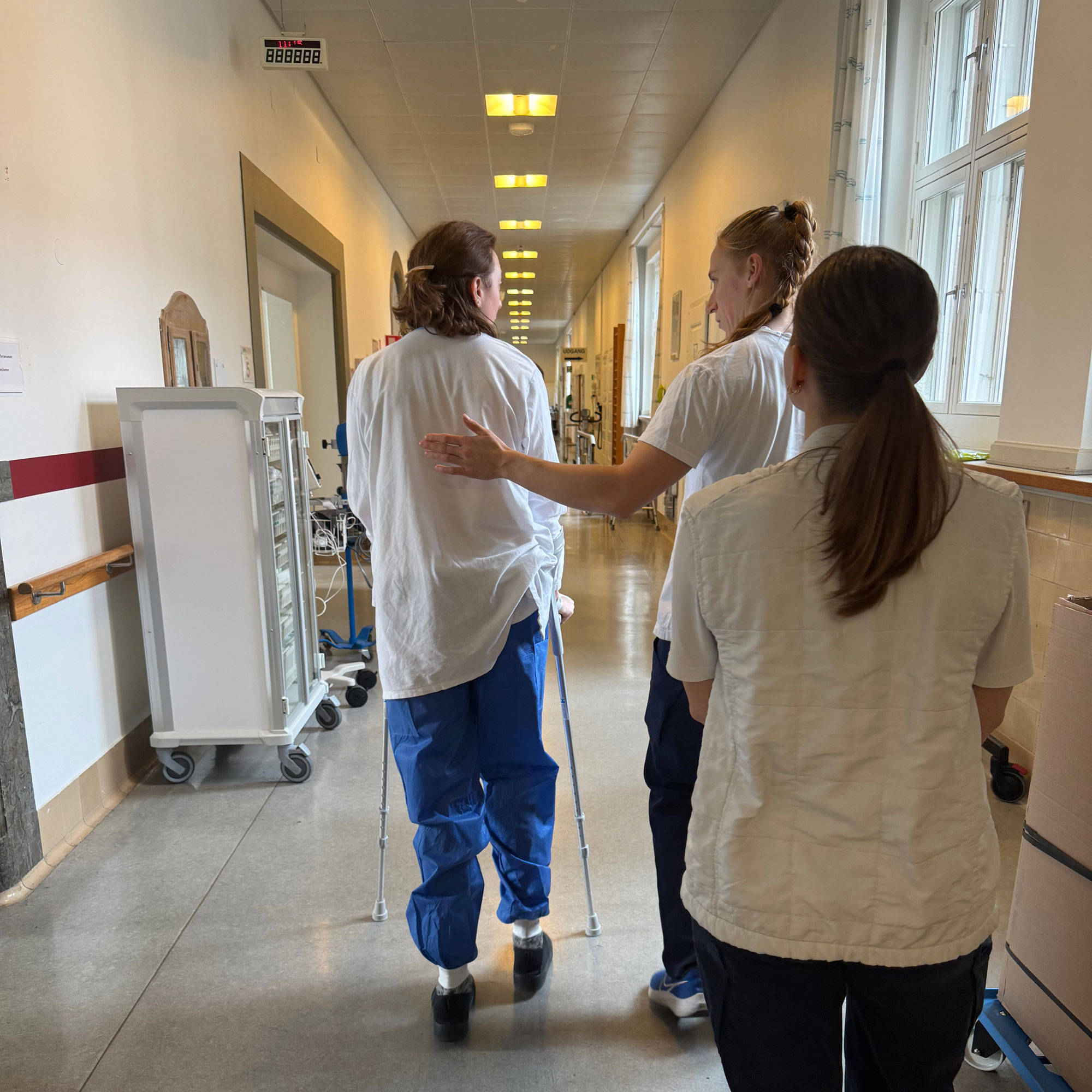
pregnant women, women in the postpartum period, people living with pain, stress, or hypermobility, clients in rehab — and people who are simply longing for a smarter way to move.
What they all have in common is that the body doesn’t need more pressure.
It needs support.
And that’s maybe where the classical method really stands apart for me.
It doesn’t try to overpower the body.
It teaches you to listen to it.
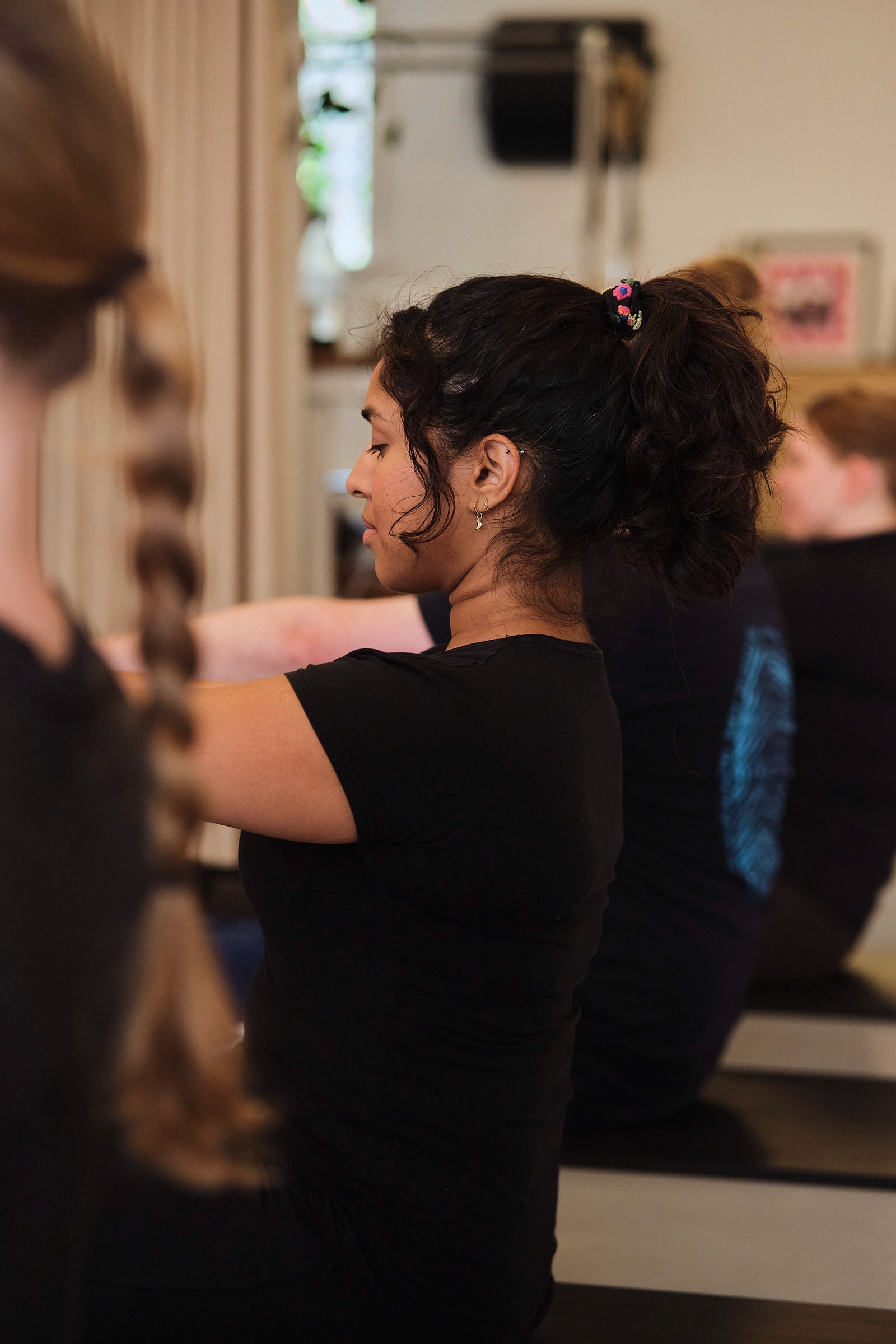
At Frog, the classes are small with space for individual attention, because I believe movement becomes most effective when you feel safe enough to actually notice your body.
This isn’t training where you have to push yourself as far away from your body as possible.
It’s training that helps bring you home to it again.
And maybe that’s exactly why so many people stay with classical Pilates once they discover it.
Not because it’s trendy.
But because the body often responds surprisingly well to intelligent, consistent, and mindful movement.
A little more strength.
A little more length.
A little more freedom.
Over time, that makes a bigger difference than most people think.