How I use classic Pilates to help my body through surgery and recovery
There is something deeply humbling about not being able to rely on your body the way you used to.
Whether it’s surgery, pain, pregnancy, stress, injury or simply life catching up with you — most of us will experience periods where the body suddenly asks us to slow down. Not because we want to. But because we have to.
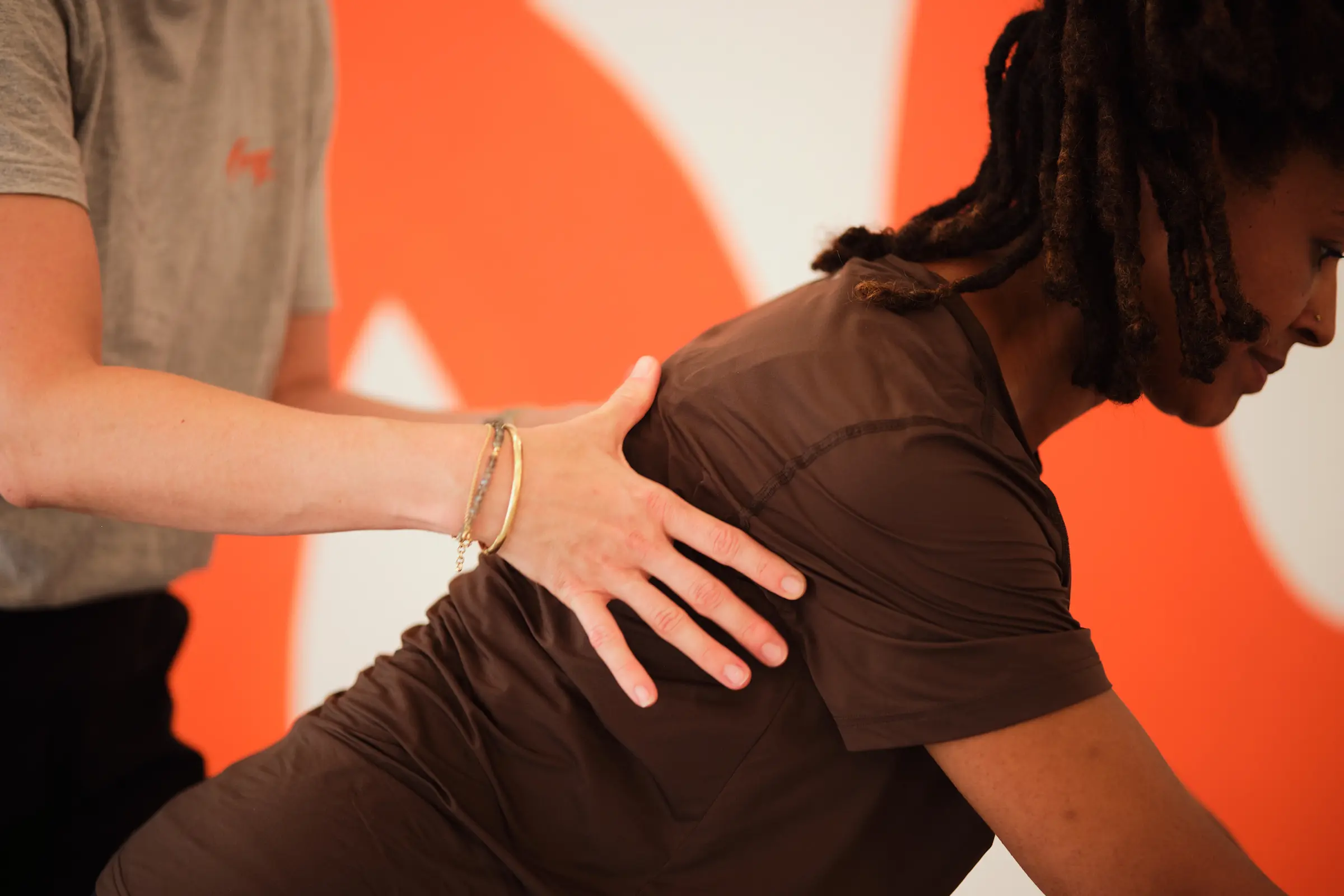
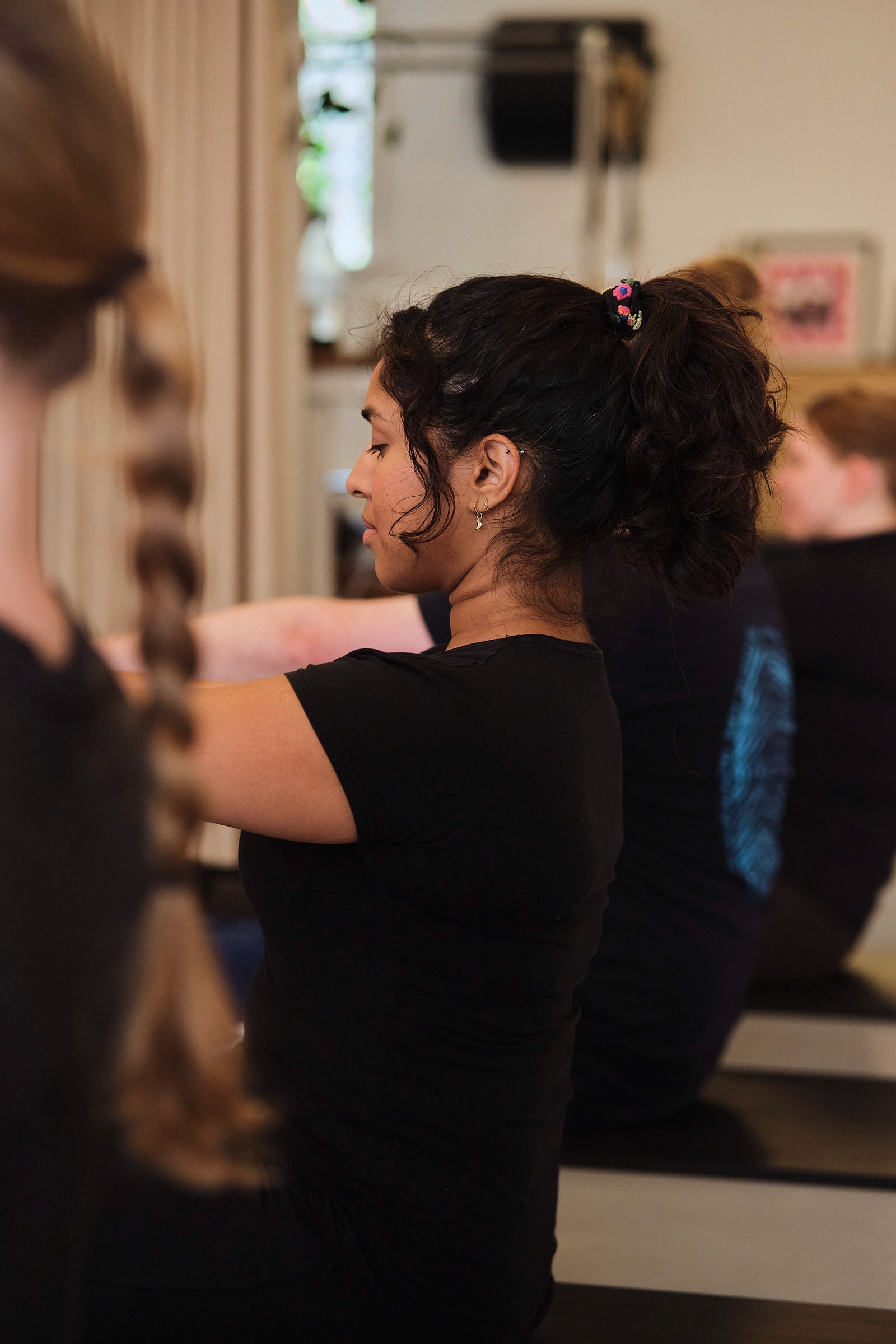
Over the past years, pre-op and recovery work have become some of the most meaningful parts of my work as a Classical Pilates teacher at Frog Pilates. Maybe because I know firsthand what it feels like to be frustrated with your own body. To feel disconnected from it. To lose strength. Confidence. Trust.
And maybe even more importantly: I know what it feels like to slowly get it back.
Not through punishment.
Not through “pushing through.”
But through intelligent, consistent movement.
Pilates meets you where you are
One of the biggest misconceptions about Classical Pilates is that it’s only for already strong, flexible or highly disciplined people.
But the truth is: the work becomes most powerful when life is messy.
When you can’t “perform.”
When you’re recovering.
When you feel weak.
When your nervous system is exhausted.
When your body has changed.
That’s where the method really shines.
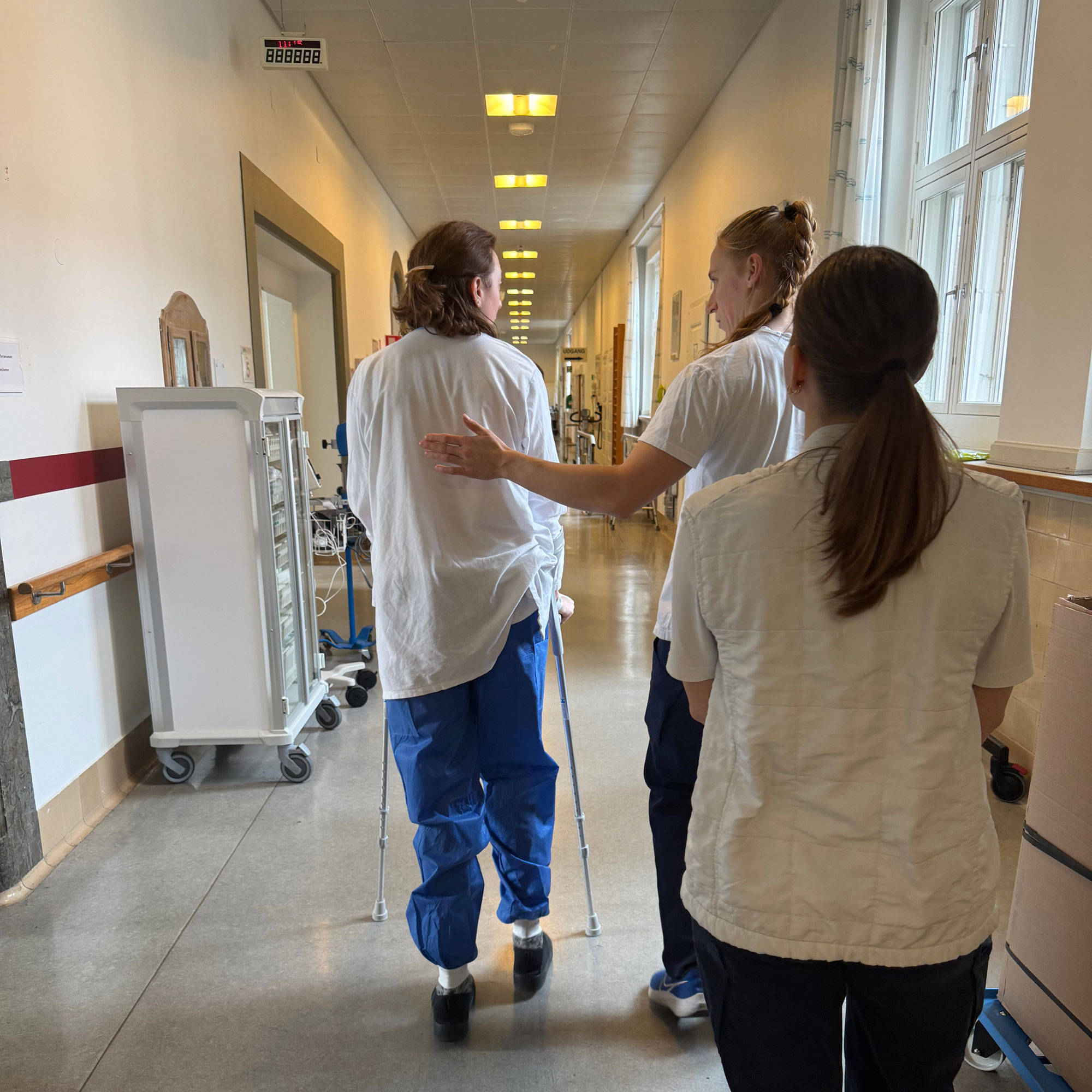
Pre-operative Pilates is not about training harder before surgery. It’s about preparing the body as thoughtfully as possible:
improving breathing mechanics
building circulation
supporting posture
creating awareness around movement patterns
strengthening without overloading
calming the nervous system before the body goes through stress
And recovery work is not about “getting back in shape.”
It’s about rebuilding trust.
Sometimes recovery starts with something as small as:
learning how to breathe without tension again.
Or standing upright without pain.
Or feeling your core reconnect after surgery or birth.
Those moments matter more than people think.
My own relationship with recovery
I don’t teach recovery work from a place of perfection.
I teach it from having difficult periods in my own body too.
There have been times where movement felt effortless and joyful. And other periods where I felt far away from myself physically. Periods where my body felt inflamed, stiff, weak or unpredictable.
And honestly? Those periods changed me as a teacher.
They made me softer. More observant. More patient.
They taught me that progress is rarely linear.
Some days the body feels strong.
Other days it simply needs kindness.
What continues to amaze me is how often the body responds when we stop fighting it and start supporting it intelligently instead.
Not overnight.
Not magically.
But gradually.
A little more length.
A little more strength.
A little more ease.
Then suddenly one day:
you realize you’re walking differently. Breathing differently. Living differently.
The nervous system matters more than we think
One thing I see again and again in both pre-op and recovery clients is how deeply connected pain and tension are to the nervous system.
People often come in expecting “exercise,” but what they actually need first is safety.
Breathing.
Circulation.
Grounding.
Support.
Classical Pilates, when taught with attention and care, can become exactly that.
Not just a workout.
But a way back into the body.
A way to feel capable again.
If I can rebuild trust in my body, so can you
One of the reasons I share parts of my own journey is because I never want people to feel like they need to arrive at the studio already “fixed.”
You do not need to be strong enough first.
Flexible enough first.
Pain free first.
You are allowed to begin exactly where you are.
Some of the strongest people I know are not the ones doing the hardest workouts. They are the people who continue showing up for themselves gently and consistently through difficult seasons.
That is real strength to me.
And if there’s one thing I’ve learned through both teaching and navigating my own body, it’s this:
The body is incredibly adaptable when given the right support.
Not rushed.
Not punished.
Supported.
At Frog, recovery work is never about aesthetics or perfection. It’s about helping people move through life with a little more strength, confidence and freedom in their bodies — whether they are preparing for surgery, recovering from one, navigating postpartum life or simply trying to feel like themselves again.
And truly — if I can find my way back into my body again and again through movement, I deeply believe you can too.